The movement towards a more sustainable way of doing business is gaining momentum worldwide. More and more companies are realizing that sustainability is not only essential for the environment but also for long-term business success.
This transformation is reflected in various approaches to integrating sustainability practices into core business operations. The benefits range from improved brand image to cost savings and increased employee satisfaction. But what specific steps can companies take to operate more sustainably?
1. Reduction of resource consumption
The reduction of resource consumption is at the heart of sustainable business management. By implementing efficient procedures and technologies, companies can significantly decrease their consumption of energy, water, and other resources.
This step is important not only from an ecological perspective but also supports economic efficiency by lowering operating costs. Furthermore, reducing resource consumption contributes to achieving global sustainability goals and enhances the company’s image as a responsible actor in the economy.
1.1 Energy Efficiency
Energy efficiency is a central aspect of reducing resource consumption. Companies that invest in energy-saving technologies and optimize their operational processes can significantly decrease their energy requirements.
Such measures include upgrading facilities, utilizing renewable energy sources, and implementing smart building technologies. In addition to the environmental benefits, these investments lead to long-term cost savings and improved operational performance.
1.2 Water Conservation
Saving water is a challenge in many industries, but with targeted measures, companies can significantly reduce their water consumption. The use of water-saving technologies, such as efficient irrigation systems, water-efficient sanitary fixtures, or the recycling of process water, helps protect this vital resource.
Furthermore, analyzing and optimizing water-intensive processes can lower overall consumption. These efforts benefit not only the environment but also reduce operating costs and improve the sustainability profile of the company.
2. Furniture rental instead of purchase for offices
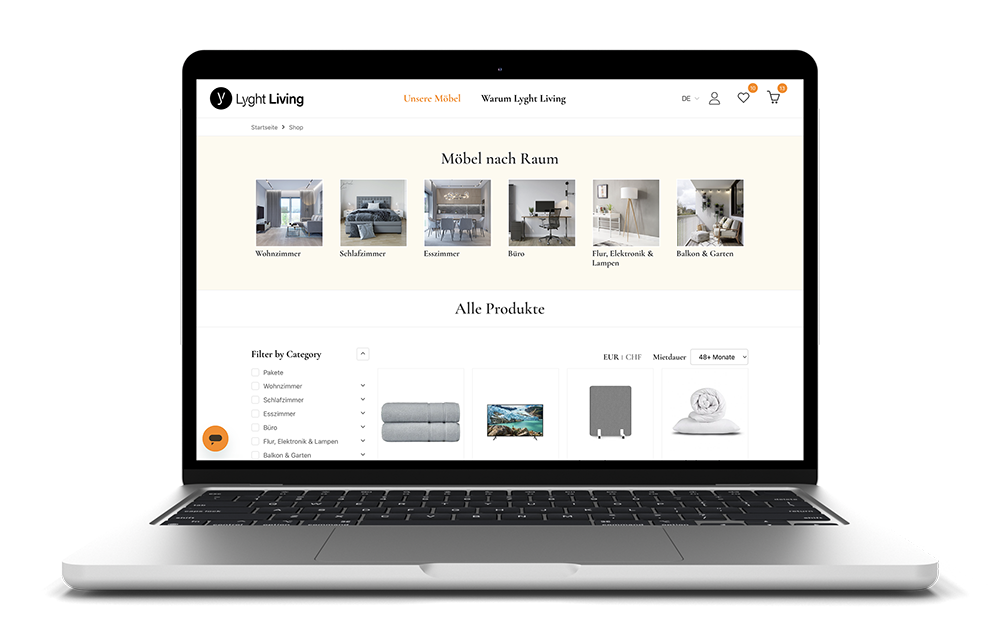
Renting office furniture instead of purchasing presents an innovative and sustainable solution for companies, especially in a work environment increasingly characterized by remote work while still emphasizing the importance of a functional and representative office setting. This practice supports the principles of the circular economy by ensuring that furniture at the end of its useful life within the company is not disposed of but rather refurbished, restored, and reused.
For companies with many remote employees, furniture rental offers a flexible option to equip the office according to needs efficiently, without making long-term investments in office furniture.
Furthermore, the effort of maintenance and upkeep is eliminated, as the lessor is responsible for the quality and functionality of the furniture. This allows companies to stay up to date with office furniture trends and standards without having to worry about reselling or disposing of old furniture.
This sustainable practice not only reduces resource consumption and waste but also contributes to the financial and operational flexibility of the company. To see exactly how this works, you can watch this ZDF feature on sustainable furniture.
3. Promotion of the Circular Economy
The promotion of the circular economy is a crucial step towards greater sustainability in businesses. By keeping products and materials in closed loops, resources can be conserved and waste reduced.
This approach not only benefits the environment but also offers economic advantages through the efficient use of raw materials and the creation of new business models. The circular economy helps make companies more resilient to resource scarcity while simultaneously minimizing their ecological footprints.
3.1 Product Life Cycle
By considering design aspects that promote durability and reparability of products, companies can significantly extend the life cycle of their products. This means fewer resources are needed for manufacturing new products and waste quantities are reduced.
Such an approach not only encourages the appreciation of products over a longer period but also supports the development of a market for repair services and used products, further strengthening the circular economy.
3.2 Recycling and Reuse
Systems for the take-back and reuse of products are crucial for reducing waste and utilizing resources more efficiently. Companies that implement such systems help maintain the value of materials within the economic cycle.
This can be achieved through promoting recycling programs, designing products with reusability in mind, or introducing schemes for the return of old products. These strategies not only help minimize environmental impacts but also raise awareness about sustainable consumption.
4. Sustainable Supply Chains
Sustainable supply chains are fundamental for companies that take their environmental and social responsibilities seriously. By carefully selecting suppliers committed to sustainable practices, companies can ensure that their products and services are manufactured under ethical conditions.
This includes assessing the environmental standards and working conditions of suppliers, which contributes to improving the overall sustainability performance of the entire company.
4.1 The selection of suppliers
The selection of suppliers who follow sustainable practices is a critical step in achieving sustainable supply chains. Companies need to assess the environmental and social standards of their suppliers and ensure that they align with their own sustainability goals.
Such selection promotes not only fair working conditions and environmentally friendly production processes but also strengthens the brand and consumer trust in the company.
4.2 Transparency
Transparency within the supply chain is essential for gaining and maintaining the trust of customers and other stakeholders. Companies that disclose the origins of their materials and the conditions under which they are produced can better manage risks and credibly demonstrate the sustainability of their products.
This requires the implementation of tracking systems and regular audits to ensure that the entire supply chain adheres to established sustainability standards.
5. Employee engagement and training
The integration and training of employees in sustainability are crucial factors for the success of sustainable business management. A high level of awareness and understanding of sustainability principles among employees leads to stronger alignment with corporate goals and motivates sustainable actions in daily work.
Through targeted training sessions and informational events, companies can impart the necessary knowledge and skills required for implementing and advancing sustainable practices. This not only fosters a positive work environment but also contributes to innovation and increased efficiency.
5.1 Awareness-building
Raising awareness about sustainability issues is the cornerstone of fostering an environmentally conscious and socially responsible corporate culture. By regularly informing employees about the importance of sustainability and demonstrating how each individual can contribute, companies strengthen employee engagement towards sustainable goals.
Workshops, seminars, and internal campaigns are effective means to sharpen awareness and convey the importance of sustainability measures both in professional and personal settings.
5.2 Building competencies
Through targeted training programs, employees can acquire the skills and knowledge necessary to implement sustainable solutions within their work areas.
Such programs should be tailored to both the specific needs of the company and the individual roles of the employees. Providing competencies in sustainable development enables employees to actively contribute to shaping a more environmentally friendly and socially equitable company.
Do you have any questions about renting office furniture? Our team is here to help! You can reach us via email at [email protected], by phone at +49 (0) 69 460 99 809 (Germany) or +41 (0) 41 539 11 44 (Switzerland). You can also follow us on LinkedIn or Instagram. We look forward to hearing from you!